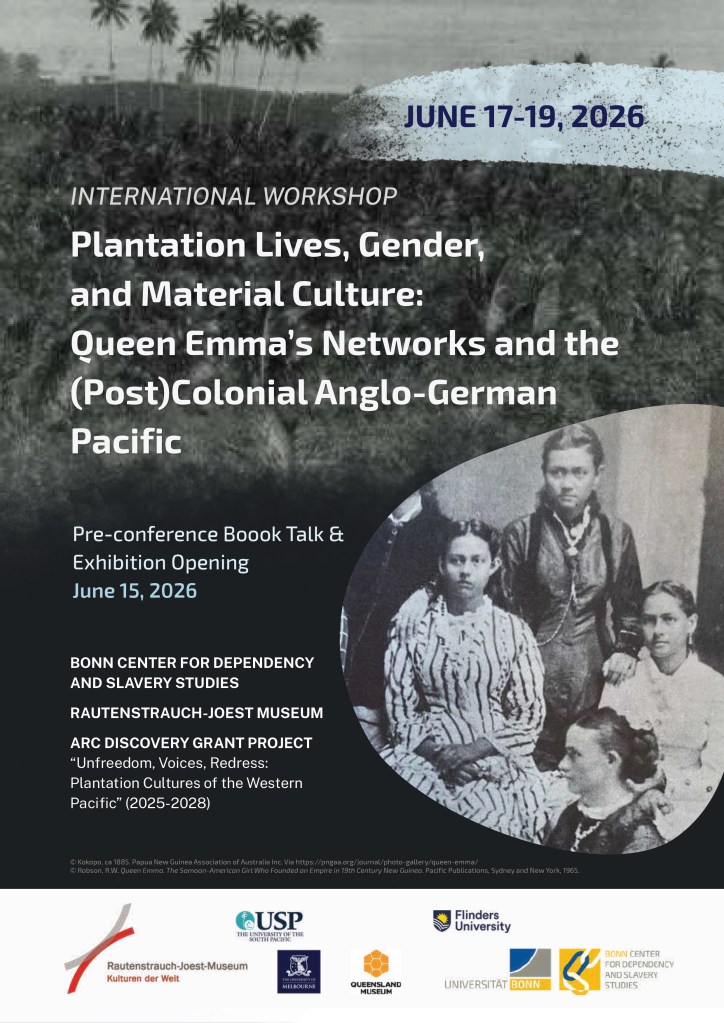
INTERNATIONAL WORKSHOP – Plantation Lives, Gender, and Material Culture:
Queen Emma’s Networks and the (Post) Colonial Anglo-German Pacific, June 2026
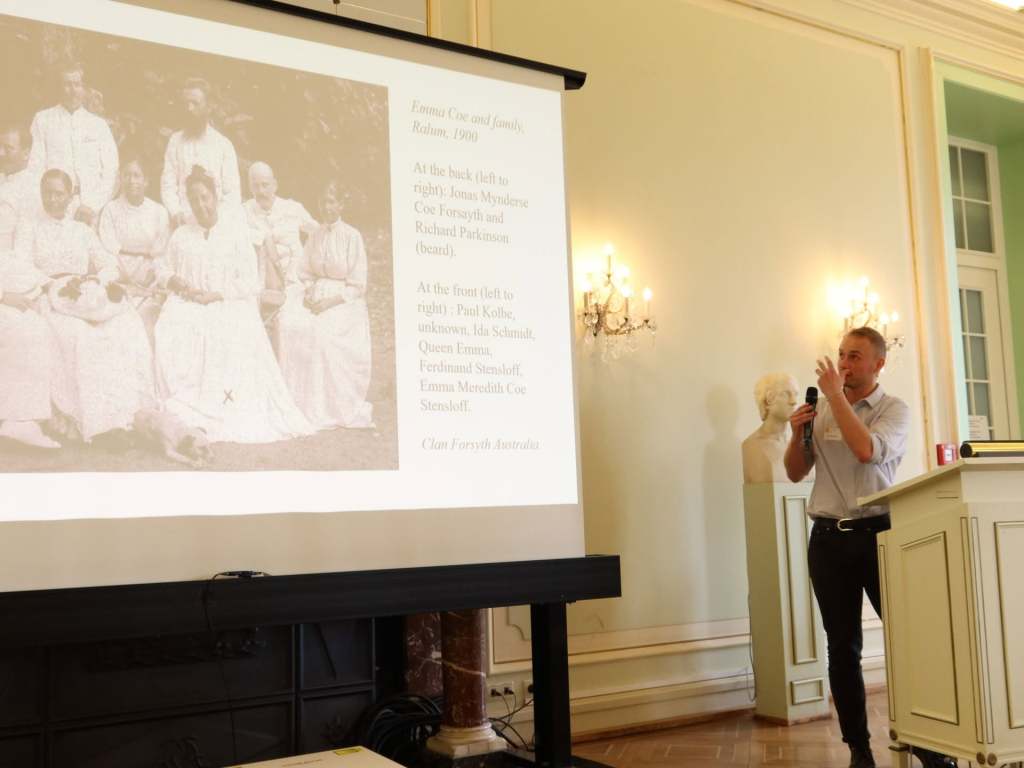
During her lifetime, Emma Kolbe/Forsayth/Farrell (née Coe, 1850–1913), known as ‘Queen Emma of New Guinea’, was one of the most powerful private individuals and economically successful entrepreneurs in the Pacific – a woman of colour in a world dominated by men. Owning more than 60,000 hectares of plantations in New Britain, New Ireland, Bougainville and various smaller islands (a region at that time occupied by the German Empire), Emma Kolbe traded not only in copra, cotton and other natural produce but also people – for whose transport she also maintained ships. Kolbe’s main residence, Gunantambu in Kokopo, was considered the social hub of the Gazelle Peninsula, from where she controlled her large networks including family members (siblings, children and husbands), trading partners, and politicians. These networks, which stretched from New Guinea to Samoa, the USA and Australia, also facilitated the sale of artefacts and natural history specimens, yet another means of financing the expansion of her businesses. At the end of the nineteenth century, many German and European ethnographical museums acquired artefacts collected and sold by Queen Emma’s sister Phoebe and her husband, Richard Parkinson (Buschmann 2023).
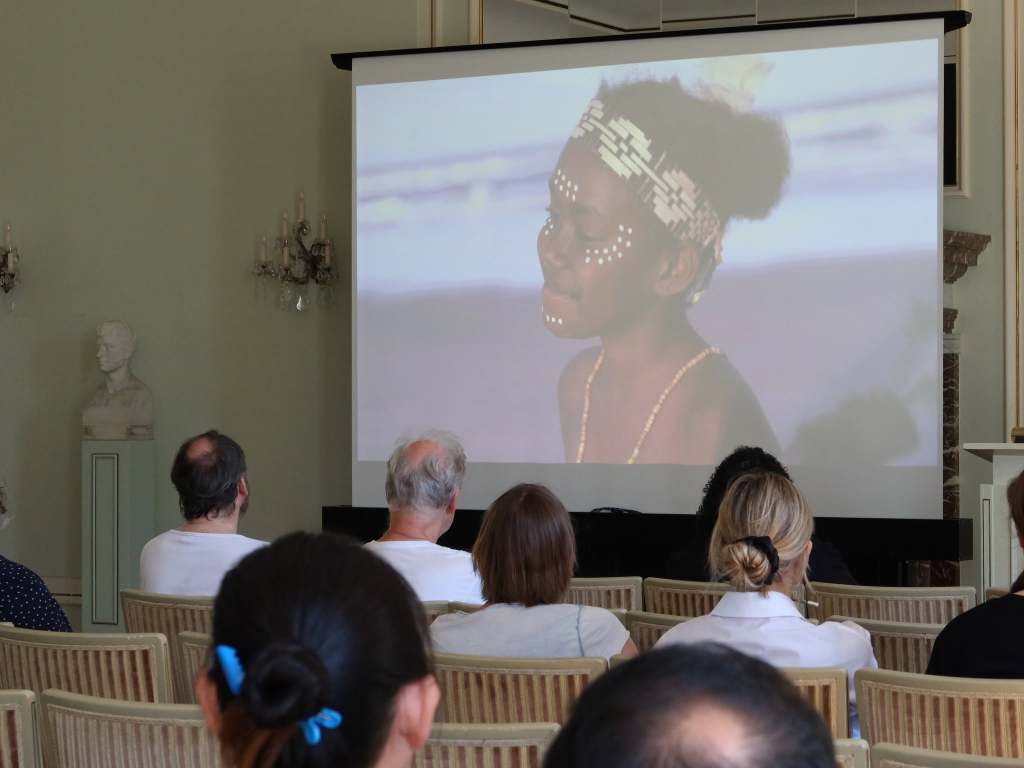
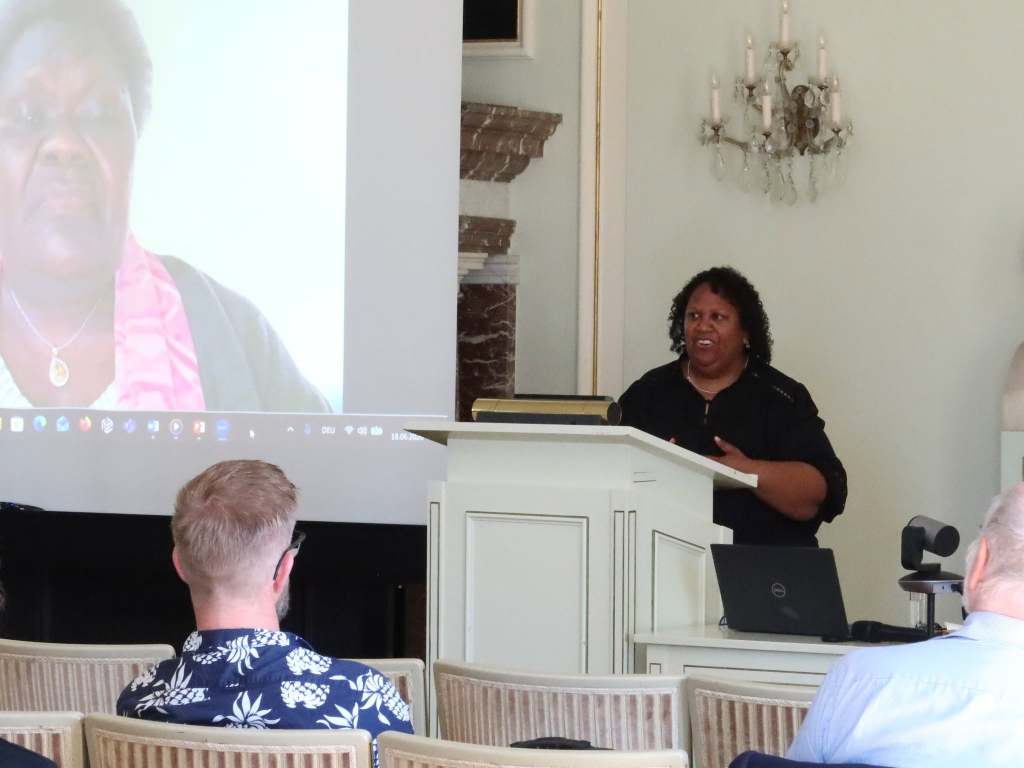
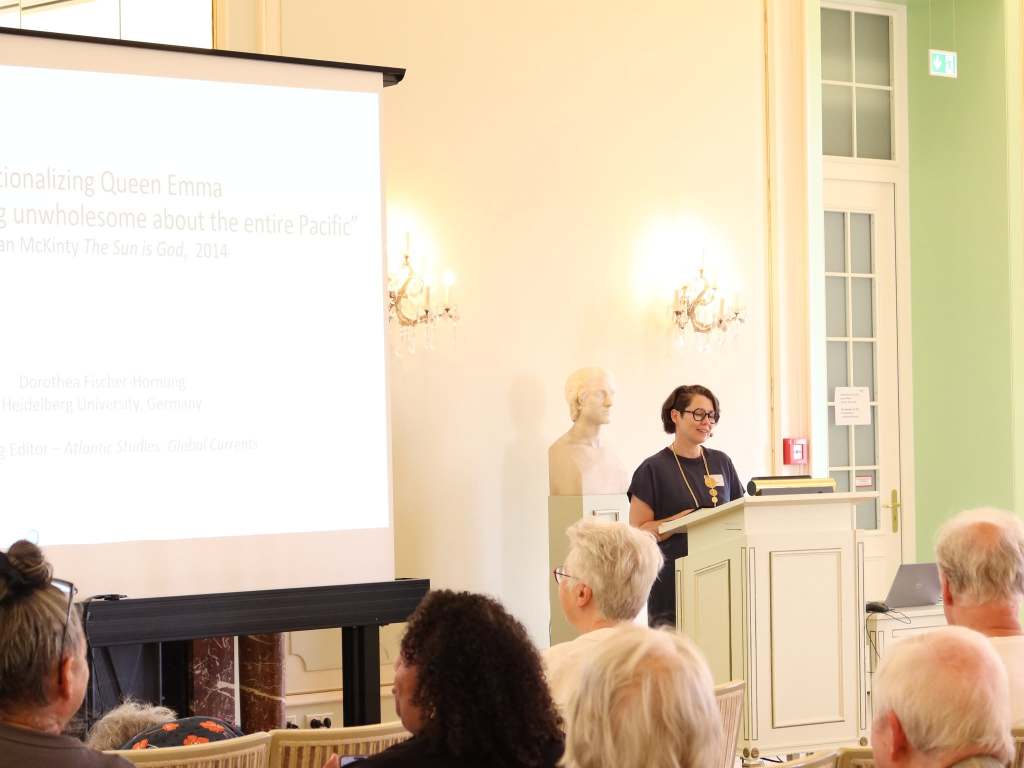
Using the figure of ‘Queen Emma’ and her networks as a starting point, this international workshop examined practices of coerced labour and forced migration and pays special attention to gendered lives on plantations in Western Pacific (including Papua New Guina, Fiji, Samoa, Pohnpei, and Queensland) and the means to gain knowledge about these lives today. The material traces and histories of these in the Anglo-German Western Pacific and in PNG in particular at the end of the nineteenth and early twentieth century were a key focus. Participants explored topics such as the formation of varying (and at times competing) notions of indigeneity, of self and other, gendered protocols, and regional, national, and transcolonial trade and personal affiliations. The workshop was also interested in questions pertaining to the legacies of these processes, how they are remembered today and the (textual, embodied, material, visual, sonic) archives available to study them. The workshop thus aimed to foster an interdisciplinary exchange among scholars who work on Pacific history, dependency studies, women’s history, gender studies, life writing, missionary history, social and cultural anthropology, provenance research, and museum and heritage studies.
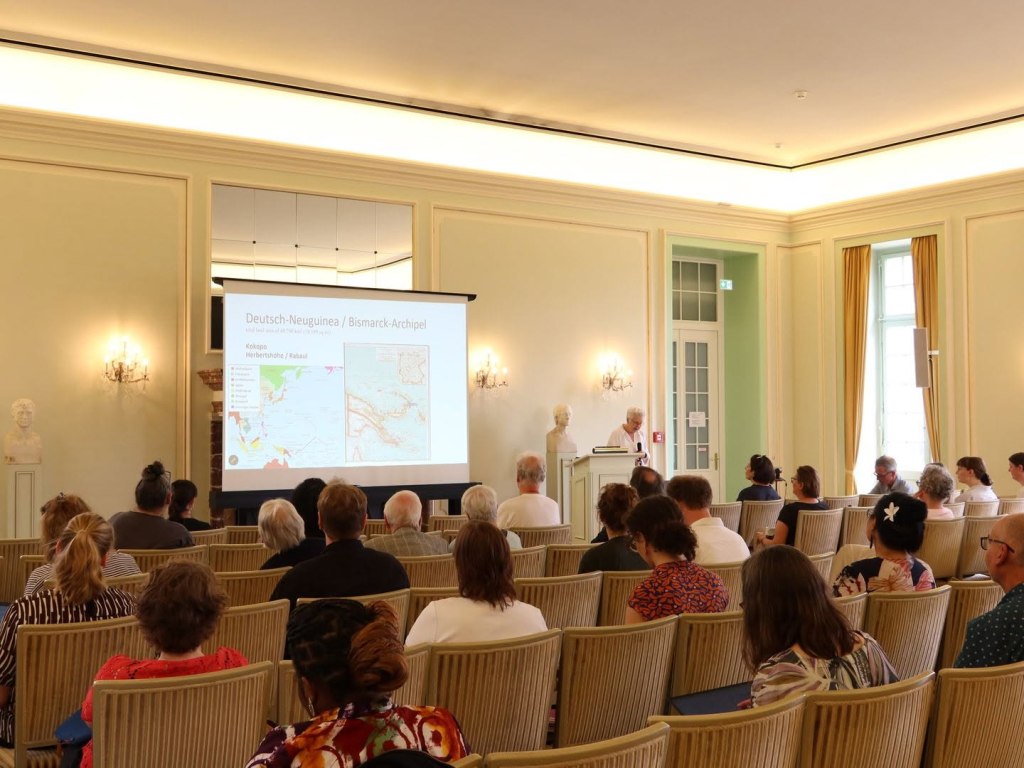
The workshop was jointly held at the Bonn Center for Dependency and Slavery Studies in Bonn (BCDSS Niebuhrstr. 5, 53113 Bonn) and the Rautenstrauch-Joest-Museum in Cologne (RJM, Cäcilienstraße 29-33, 50667 Cologne).